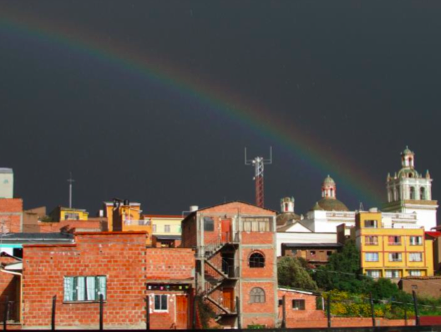
 Early this week Jeff went to La Paz to meet Pastor Orlando Moller, a citizen of the U.S. and Bolivia, who’s here to lead a three-day seminary course for Titicaca-area pastors and church leaders.
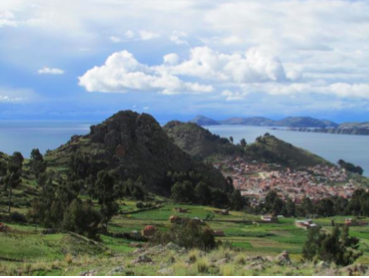 Friday afternoon we knocked off work early, grabbed the camera, and left home at little after 4, aiming to hike a pre-Columbian road winding through a mountain pass above Copacabana. Such magnificent sites just had to be shared ...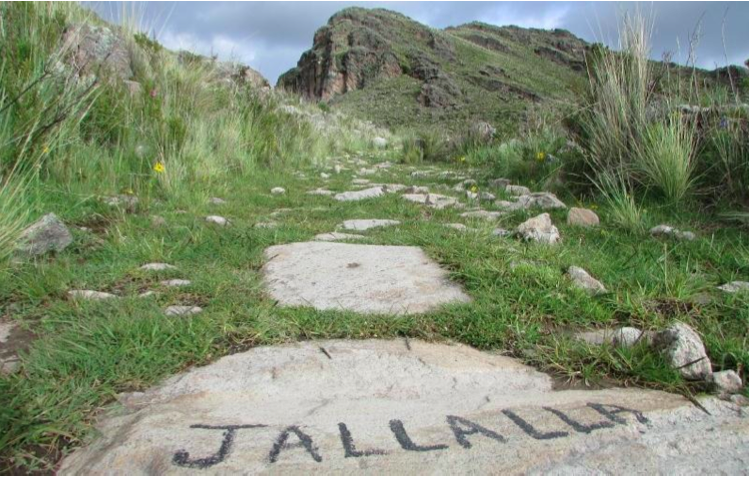
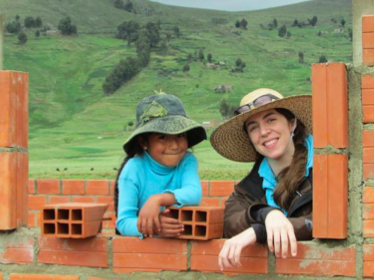 Katie Yaun, a new UMVIM volunteer, has been visiting for the past 10 days, meeting neighbors and people she’ll be working with, and scouting out the area in advance of her long-term move here in several more weeks. Katie will be working with Misión Fronteras for about 9 months, launching and directing the new Teach the Teachers Program to improve English language skills throughout the region.
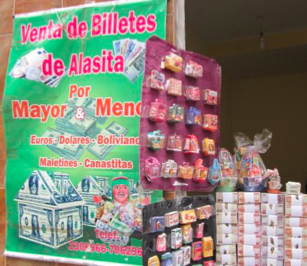 Jan. 24 marked the beginning of “Alasitas,” a three-week long Andean festival celebrated by Bolivia’s indigenous Aymara tribe.
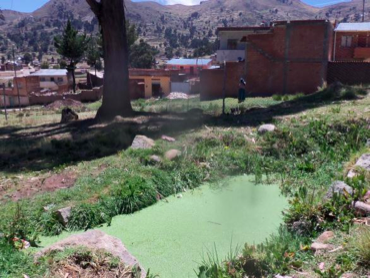 It’s been a weird week, and I suppose that’s heightened our sense of gratitude.
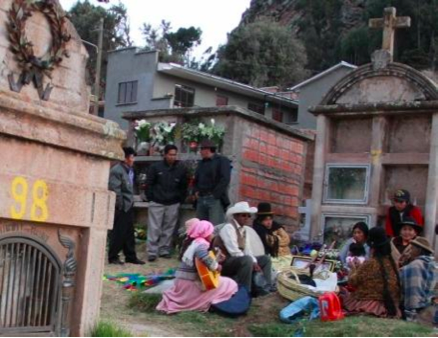 On Nov. 1, All Saints Day, Bolivianos party with the souls of their lost loved ones. Days prior to the fiesta street markets teem with 50-kilo bags of flour and sugar, buckets full of lard, and tables and blankets spread with myriad, hand- painted, miniature plaster-of-Paris faces. Families use these to make “Tantawawas,” Aymara for Bread Babies. The term refers generally to the many, many, shaped bread loaves -- those decorated with human faces symbolize the dead; others formed like horses, ladders or stairs are meant to help transport the spirits from heaven. Since most families don’t have an oven, they either buy bread or make dough and rent oven time from those who do.






God, as known to us in Jesus Christ, welcomes all.
We welcome people of any race, national origin, ethnicity, gender, sexual orientation, age, social or economic status, employment status, or life situation; including people with physical or mental illness or disability.
We practice loving acceptance of each person and respectful discussion
 of our differences.
Affiliated to Reconciling Ministries Network
 Claude King
(630) 968-7120 x 202
Contact Pastor Claude
Read Claude's Blog
 Andi Voinovich
(630) 968-7120 x 211
Contact Pastor Andi
Read Andi's Blog
Recent News
Sunday Worship Service - July 30 at 10:00 am
July 30, 2023 - 9:51am
Sunday Worship Service - July 23 at 10:00 am
July 23, 2023 - 9:48am
Sunday Worship Service - July 16 at 10:00 am
July 16, 2023 - 10:17am
Vacation Bible School
July 14, 2023 - 10:10pm
Sunday Worship Service - July 9 at 10:00 am
July 9, 2023 - 9:53am